



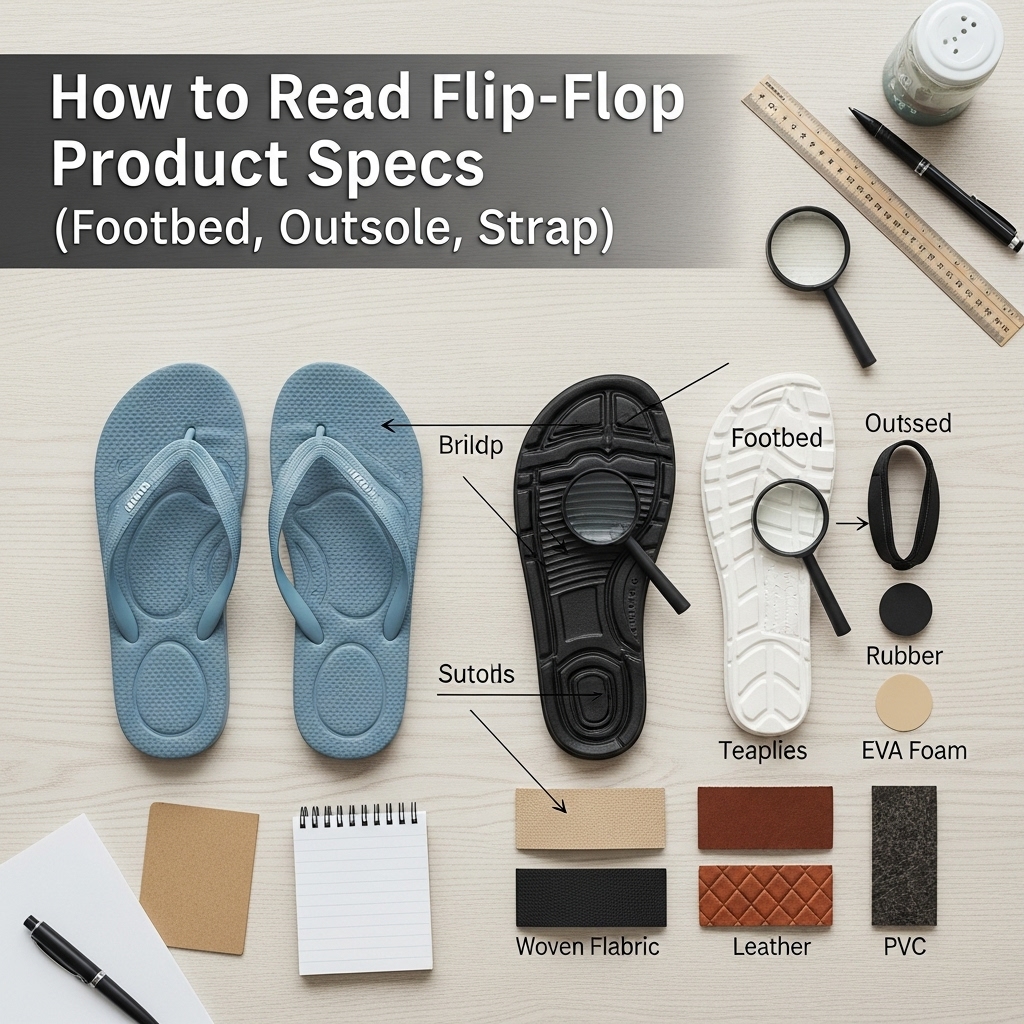
How to Read Flip-Flop Product Specs (Footbed, Outsole, Strap)
If you’ve ever browsed flip-flops online and felt unsure about specs like “EVA footbed,” “rubber outsole,” or “fabric thong strap,” you’re not alone. Flip-flops may seem simple, but their product descriptions are packed with small details that dramatically affect comfort, durability, and fit.
Just like the reference explains how toe-post placement, fabric thongs, and slide straps change real-world performance, understanding the product specs helps you choose the pair that truly suits your lifestyle—whether you’re heading to the beach, running errands, or planning long summer walks.
Why Product Specs Matter
Flip-flops vary more than most shoppers realize. The materials used, the way the straps connect, and the contouring of the footbed all influence:
- comfort,
- grip,
- durability,
- arch support,
- heat resistance,
- and how secure the sandal feels on your foot.
Knowing what to look for means fewer fit mistakes and more confidence when comparing models and prices.
1. Understanding Footbed Specs
The footbed is the part your foot touches—where comfort begins and ends. Specs in this section tell you what the flip-flop will feel like during real use.
Common Footbed Materials
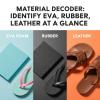
- EVA (Ethylene Vinyl Acetate): Soft, lightweight, cushioned, ideal for all-day use.
- Rubber: Dense, durable, heat-resistant; excellent for hot sand or wet environments.
- PU (Polyurethane): Supportive, long-lasting cushioning, used in premium comfort pairs.
- Molded foam blends: Often combine softness with ergonomic shaping.
What Footbed Specs Mean
- “Textured footbed” → Prevents slipping when feet are sweaty or wet.
- “Ergonomic contouring” → Provides arch support and natural alignment.
- “Heel cup” → Stabilizes the foot and absorbs impact during walking.
- “Dual-density footbed” → Two layers for softness + support.
- “Soft-touch finish” → Comfortable for bare feet, reduces friction.
When choosing flip-flops for walking, travel, or long hours on your feet, always look for contouring, heel cups, and cushioned EVA or PU.
2. Understanding Outsole Specs
The outsole is the bottom layer that touches the ground. It determines traction, stability, and durability.
Common Outsole Materials
- Rubber: Best traction, slip resistance, and durability.
- EVA outsole: Lightweight but less grippy than rubber.
- Rubber/EVA blends: A balance of comfort and traction.
What Outsole Specs Mean
- “Non-slip outsole” → Designed for wet tiles and poolside floors.
- “Patterned tread” → Helps grip sand, pavement, or smooth surfaces.
- “High-traction rubber” → Perfect for beach rocks, boats, and rainy days.
- “Flex grooves” → Improves natural movement and comfort while walking.
- “Durable rubber compound” → Withstands heat and prevents melting on hot roads.
For beach, boat, or rainy-season use, rubber outsoles are essential. For light daily errands, EVA outsoles work well.
3. Understanding Strap Specs
Strap design determines how secure the flip-flop feels, how comfortably it holds your foot, and whether it is ideal for walking, lounging, or water use.
The Three Main Strap Types
1. Toe-Post (Thong) Straps
- Look for: “Y-shaped strap,” “toe-post strap,” “thong-style strap.”
- Why it matters: Secure hold; best for walking, beach use, and all-day stability.
2. Fabric Thong Straps
- Look for: “Soft fabric strap,” “padded thong strap,” “woven upper.”
- Why it matters: No rubbing; ideal for sensitive skin or long wear.
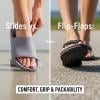
3. Slide Straps
- Look for: “Wide strap,” “single band upper,” “structured slide.”
- Why it matters: Easy on/off; great for pools, errands, and streetwear looks.
Strap Materials Explained
- Rubber straps: Water-friendly, durable, classic flip-flop feel.
- Fabric straps: Softer comfort, reduced friction, breathable.
- Synthetic leather straps: More stylish; good for casual outfits.
- Textured or padded straps: Extra comfort and stability.
Your strap choice affects toe grip, walking comfort, and whether the flip-flops feel secure or “slippy.”
4. Specs That Reveal Long-Term Comfort
Footwear specs often include features that improve endurance, alignment, and stability. These are the details that separate high-quality flip-flops from disposable foam sandals.
- “Arch support” → Reduces fatigue, supports long walks.
- “Shock-absorbing midsole” → Better comfort on concrete and pavement.
- “Structured sidewalls” → Helps guide the foot and prevent sliding.
- “Soft-flex construction” → Makes each step feel smoother.
- “Anti-chafe straps” → Prevent redness and irritation.
5. Specs That Indicate Durability
- “Heat-resistant rubber” → Won’t melt or deform on hot sand or roads.
- “UV-resistant colors” → Prevents fading in sun-heavy environments.
- “Triple-layer footbed” → More stability and longer lifespan.
- “Reinforced toe-post” → Reduces strap breakage.
- “Compression-resistant foam” → Keeps its shape over time.
These specs are crucial if you live in a tropical climate or use your flip-flops daily.
6. How to Match Specs to Your Lifestyle
Here’s a quick guide based on common activities—similar to how the reference breaks down strap-style suitability.
- Beach days: Rubber outsole + water-friendly strap + heat-resistant footbed.
- Pool use: Slide strap + textured footbed + slip-resistant tread.
- Daily errands: EVA footbed + cushioned midsole + secure strap.
- Travel & walking: Contoured footbed + arch support + wide stable straps.
- Streetwear: Structured slides + stylish strap materials + clean silhouette.
Final Thoughts
Understanding flip-flop product specs is one of the most reliable ways to pick the right pair. Once you learn how footbed materials, outsole traction, and strap styles translate into real comfort, choosing becomes effortless—just like the reference demonstrates through design and fit explanations.
The next time you read a product page, look past the colors and prints. Focus on the specs—they’re the roadmap to comfort, durability, and the perfect warm-weather companion for your feet.