






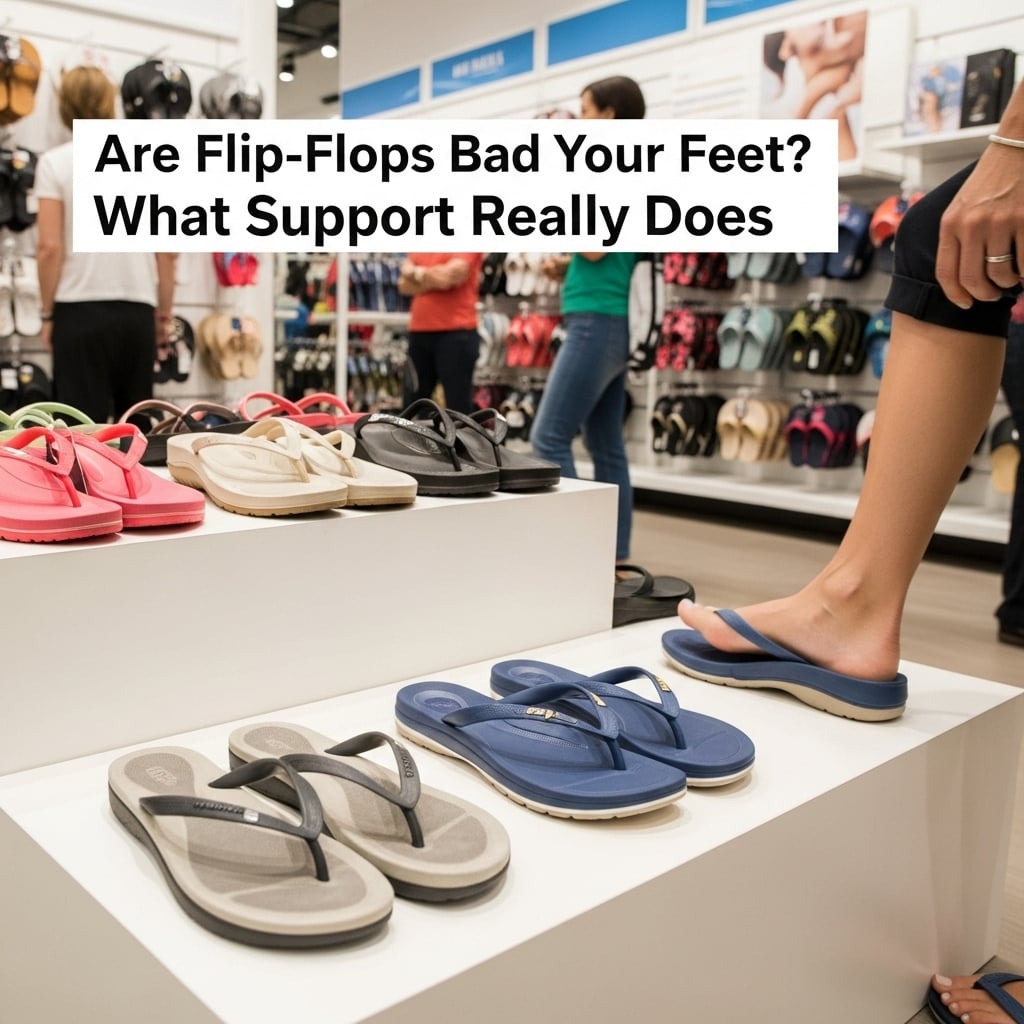
Are Flip-Flops Bad for Your Feet? What Support Really Does
Flip-flops are the unofficial symbol of warm weather—light, comfortable, easy to wear, and effortless for beach days, errands, and relaxed weekends. Yet flip-flops have also earned a reputation for being “bad for your feet.” But is this always true? Not exactly.
Much depends on design, especially strap style, footbed structure, outsole grip, and long-term support—key elements highlighted in most high-quality flip-flop fit guides. While flimsy, ultra-flat foam pairs can indeed cause problems, modern well-designed flip-flops can offer remarkable comfort and foot health benefits when used appropriately.
This guide breaks down the myths, explains what support really does, and shows you how to choose the right pair for your feet.
Why Flip-Flops Got a Bad Reputation
Traditional, low-quality flip-flops are little more than flat foam slabs with thin plastic straps. These offer:
- no arch support,
- no heel cushioning,
- no structure,
- no shock absorption,
- and minimal stability.
When worn for long days of walking, these shortcomings can strain the feet, ankles, and even the lower back. People often scrunch their toes to keep thin straps from slipping—which increases fatigue and alters natural gait.
But this reputation doesn’t apply to all flip-flops—only poorly designed ones.
What Good Flip-Flop Design Actually Does
Using the same reference principles—secure straps, supportive footbeds, proper strap placement, and non-slip outsoles—modern flip-flops can provide far better comfort and alignment than many realize.
1. Strap Style Matters
The strap isn’t just decoration—it keeps your foot centered and reduces the need for toe gripping. Each strap style performs differently:
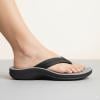
- Toe-post straps: Classic Y-shaped design; secure when paired with supportive side straps.
- Fabric thong straps: Softer, more comfortable, and reduce friction during long wear.
- Slide straps: Wide across the midfoot, offering excellent stability if snug and structured.
The more secure the strap, the less your toes must work to keep the shoe on—and the more natural your stride becomes.
2. Supportive Footbeds Redefine Comfort
The biggest evolution in flip-flop design is the adoption of supportive, contoured footbeds. These include:
- Arch support to reduce strain on the plantar fascia.
- Heel cups that stabilize the rearfoot and protect against impact.
- Shock absorption from EVA, rubber, or blended foams.
- Textured surfaces that improve grip when feet get wet or sweaty.
These features support natural alignment and reduce the pronation that often leads to discomfort or fatigue.
3. Outsole Traction Prevents Injury
A good outsole does more than grip wet tiles or pool decks—it supports gait by offering stability across different surfaces. Rubber outsoles with patterned tread prevent slips and help maintain natural movement patterns.
When Flip-Flops Can Cause Problems
Even with good design, flip-flops aren’t meant for every activity. Overuse or misuse can still cause issues.
1. Long-Distance Walking
Extended city walks or strenuous hikes require footwear with full-foot security—not just toe or slide straps.
2. High-Impact Activities
Running, jumping, or sports demand full-foot containment that flip-flops can’t offer.
3. Very Flat Designs
Pairs with near-zero cushioning or support can strain arches and heels, especially for people with pronation or plantar fasciitis tendencies.
Common Foot Issues Linked to Poor-Quality Flip-Flops
- Plantar fasciitis: Caused by lack of heel and arch support.
- Overpronation: Occurs when the arch collapses without support.
- Toe gripping fatigue: Happens when straps aren’t secure enough.
- Heel pain: From repeated impact on hard pavement.
- Metatarsal soreness: Resulting from thin, flat soles.
These issues aren’t caused by flip-flops themselves—but by flat, unsupportive versions and wearing them longer than intended.
Modern Supportive Flip-Flops: A Different Story
High-quality flip-flops now integrate supportive technology similar to walking and lifestyle sandals. With the right construction, they can:
- encourage proper weight distribution,
- reduce stress on the plantar fascia,
- promote natural gait,
- minimize fatigue during moderate walking,
- and prevent slipping in wet environments.
Strap style, contouring, and outsole grip are all part of the comfort system.
What Support Really Does
Support in flip-flops isn’t about rigidity—it’s about gentle guidance. A well-designed flip-flop:
- Aligns the foot with mild arch shaping.
- Absorbs impact so the heel doesn’t take the full shock.
- Stabilizes the midfoot with good strap placement.
- Keeps the foot centered with textured or cupped footbeds.
- Reduces muscle fatigue during moderate activity.
Supportive flip-flops aren’t meant to replace sneakers or sports sandals—but they absolutely bridge the gap between casual wear and healthy mechanics.
How to Choose Flip-Flops That ARE Good for Your Feet
Use this checklist, based on comfort and strap-fit principles:
- ✔ Contoured footbed (arch + heel cup)
- ✔ Cushioned EVA or rubber midsole
- ✔ Secure straps (toe-post, fabric thong, or structured slides)
- ✔ Non-slip rubber outsole
- ✔ Slight heel elevation (not perfectly flat)
- ✔ Smooth strap edges to avoid friction
- ✔ Soft, breathable strap materials
- ✔ Durable outsole made for real walking
Pairs with these features can be supportive, comfortable, and healthy for casual everyday use.
When Flip-Flops Are a Great Choice
- Beach days
- Pool decks
- Casual errands
- Vacation walking (moderate distance)
- Backyard gatherings
- Warm-weather lounging
- Resort travel
Used appropriately, flip-flops are lightweight, freeing, comfortable, and foot-friendly—especially when designed with modern support features.
Final Thoughts
Flip-flops aren’t inherently bad for your feet—unsupportive flip-flops are. The right pair, designed with thoughtful strap placement, cushioned footbeds, stability, and non-slip outsoles, can provide comfort for daily warm-weather living without compromising foot health.
Understanding what support really does—aligning the foot, absorbing impact, and reducing fatigue—helps you choose flip-flops that feel good and work with your natural movement, whether you’re heading to the beach or strolling through town.
Choose wisely, use them appropriately, and enjoy the freedom of summer-ready footwear that cares for your feet.